 360° TOUR
 From Aspiring to Attend Top Universities to Making Informed Choices: A Journey of Exploration Across UK Universities
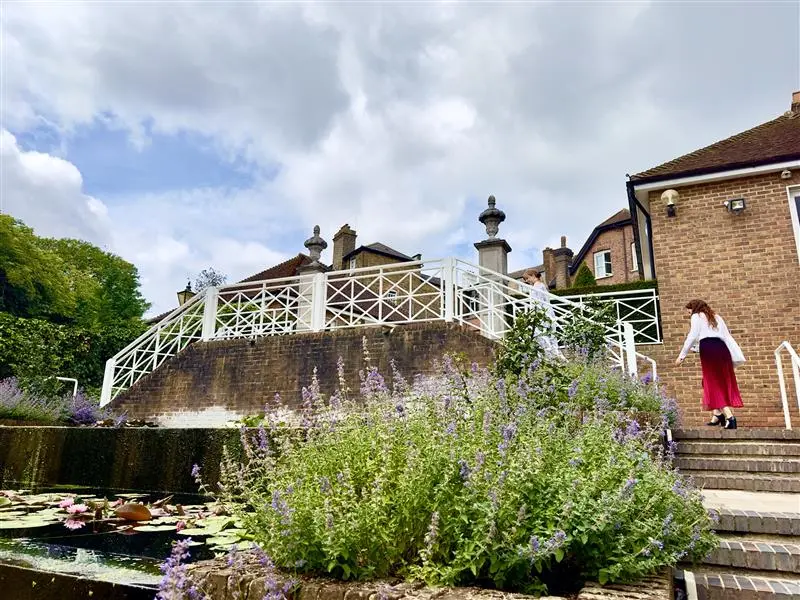
“Harrow on the Hill left a profound impression on me – not only because of its beauty, but because of the history that seems to linger in its corridors, the sense that those who came before us once walked these halls and, perhaps, left something of themselves behind. The West End musical moved me in a way I had not expected; it brought home why stories matter, why art endures, and why we sometimes need to sit in the dark with strangers and share a moment of feeling. I have never had a day quite like this one – a rare alignment of learning, wonder, and quiet delight. I will carry it with me always.”
——Milo Z, Year 11 student at
Harrow Beijing
This is the entry Milo wrote during the UK University Exploration Trip.
Whether a university is the right fit is rarely answered by rankings, course names, or web pages alone. Students need to step onto campus, observe how people learn and interact, and ask questions that help them clarify what they truly value – one choice at a time.
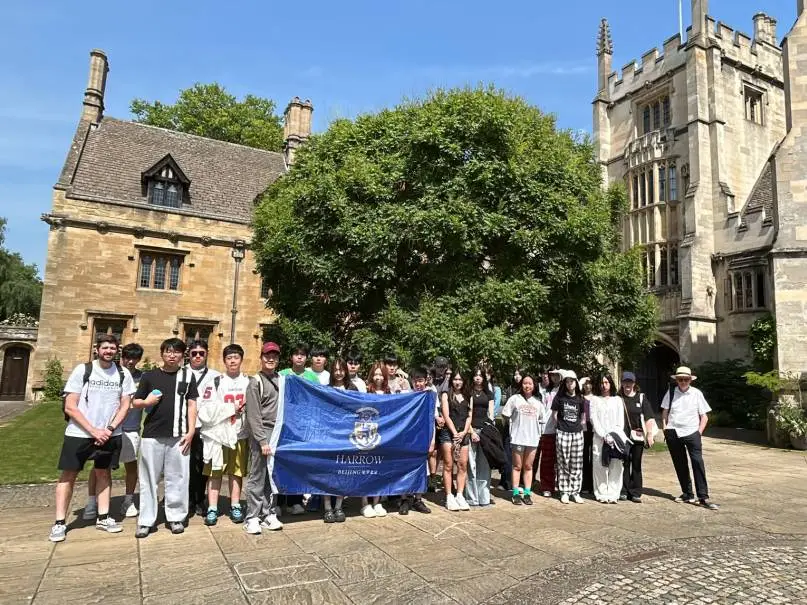
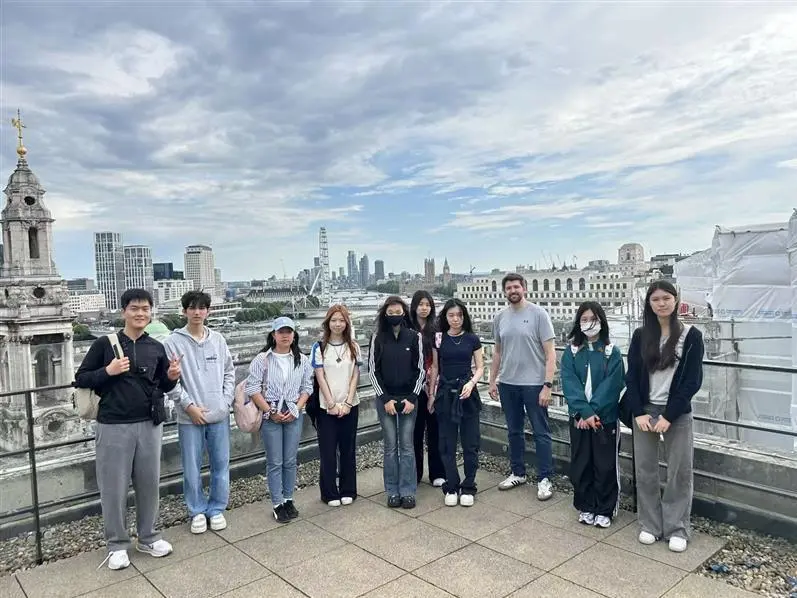
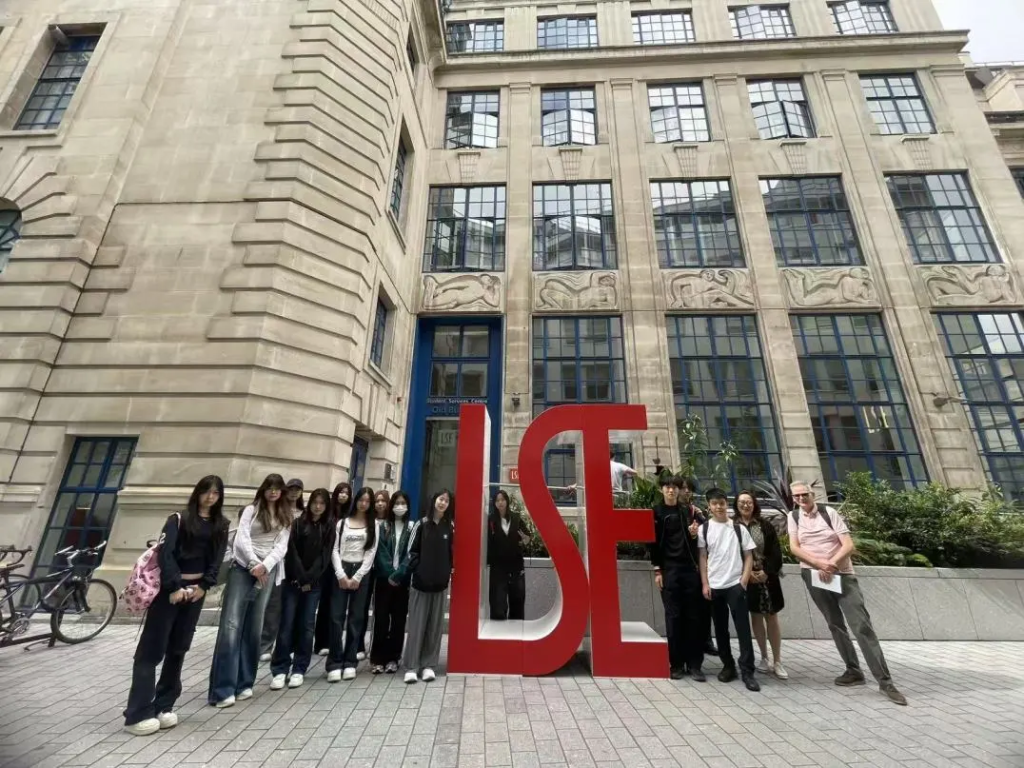
At the end of this academic year, Harrow Beijing students in Years 10–12 travelled to the United Kingdom to visit the London School of Economics and Political Science (LSE), Imperial College London, University College London (UCL), and King’s College London (KCL). The itinerary also included a visit to Harrow School in the UK and a cultural experience in London’s West End.
This was never a simple ‘tick‐box’ tour of prestigious institutions. For the students, it was a field inquiry into their own futures: turning distant university names into real learning environments they could observe, compare, and reflect upon.
1. Universities Beyond Names
Before departure, students often formed their impressions of universities through course websites, rankings, and second hand accounts. Once they walked through the actual campuses, their focus began to shift.
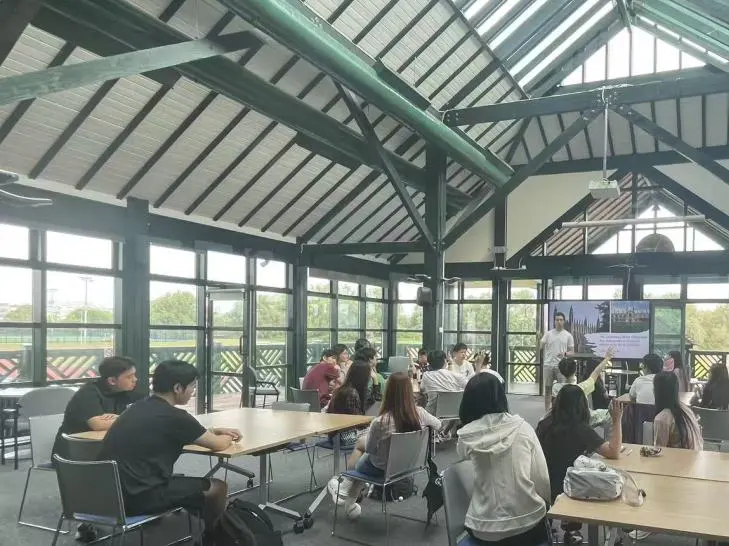
Through university presentations, campus tours, and conversations with institutional representatives, students gained deeper insight into curriculum design, teaching approaches, application requirements, and campus life. Their questions grew more specific: How is a particular course structured? Can students combine disciplines across departments? What research or practical opportunities exist beyond the lecture hall? Does this city – and this rhythm of study – feel right for me?
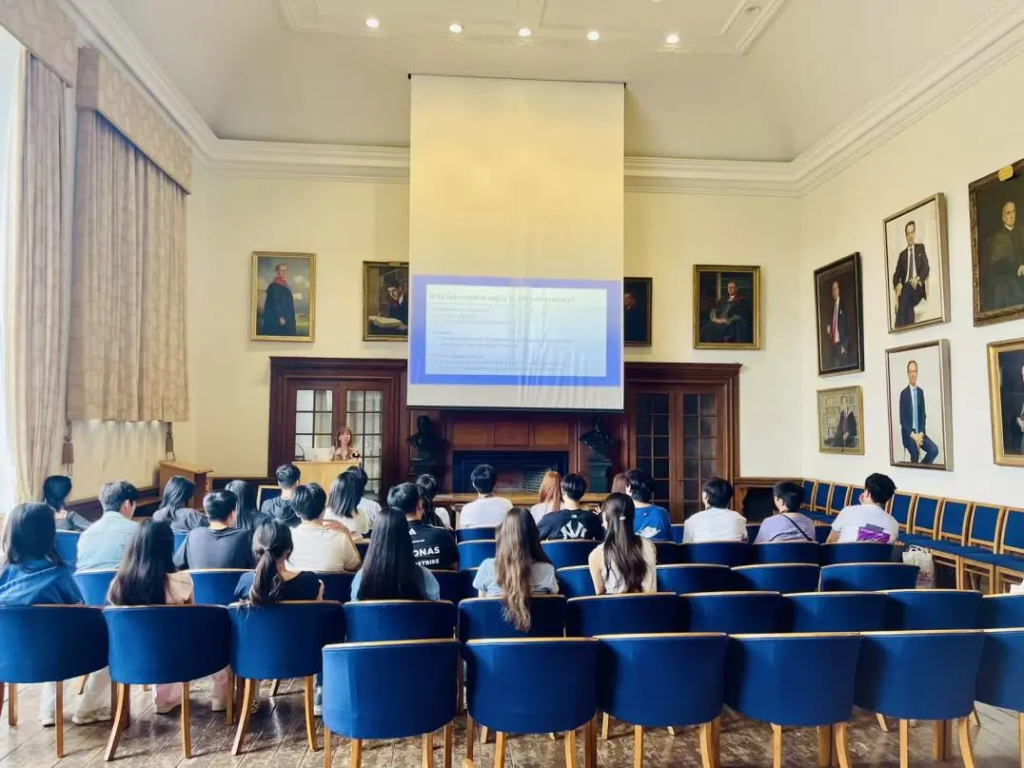
The four universities did not offer a single ‘ideal’ template. They differed in academic strengths, campus character, learning culture, and urban setting. These distinctions helped students realise that choosing a university is not about finding a universal ‘best’ but about understanding which environment best nurtures their own interests, abilities, and growth.
2. The Value of Questions
For students in Years 10–12, the purpose of university visits is not to force an early commitment to a specific institution or major. Rather, it is to build a foundation for sound judgement.
When students sit in an actual lecture space, speak with university staff, or observe the daily rhythm of campus life, abstract terms – ‘research‐intensive’, ‘interdisciplinary’, ‘urban university’, ‘campus culture’ – begin to acquire concrete meaning.
Some students confirmed their existing interests; others discovered that they needed to keep exploring. Both outcomes are equally valuable. A mature decision does not come from premature certainty, but from thorough investigation, honest comparison, and a willingness to revise one’s own views.
3. Independence and Fellowship
Beyond the university visits, the journey itself was part of the learning.
Navigating unfamiliar cities, managing time, formulating questions, communicating with different people, and taking responsibility within a team – these seemingly small tasks required students to draw on abilities that are rarely tested in the classroom.

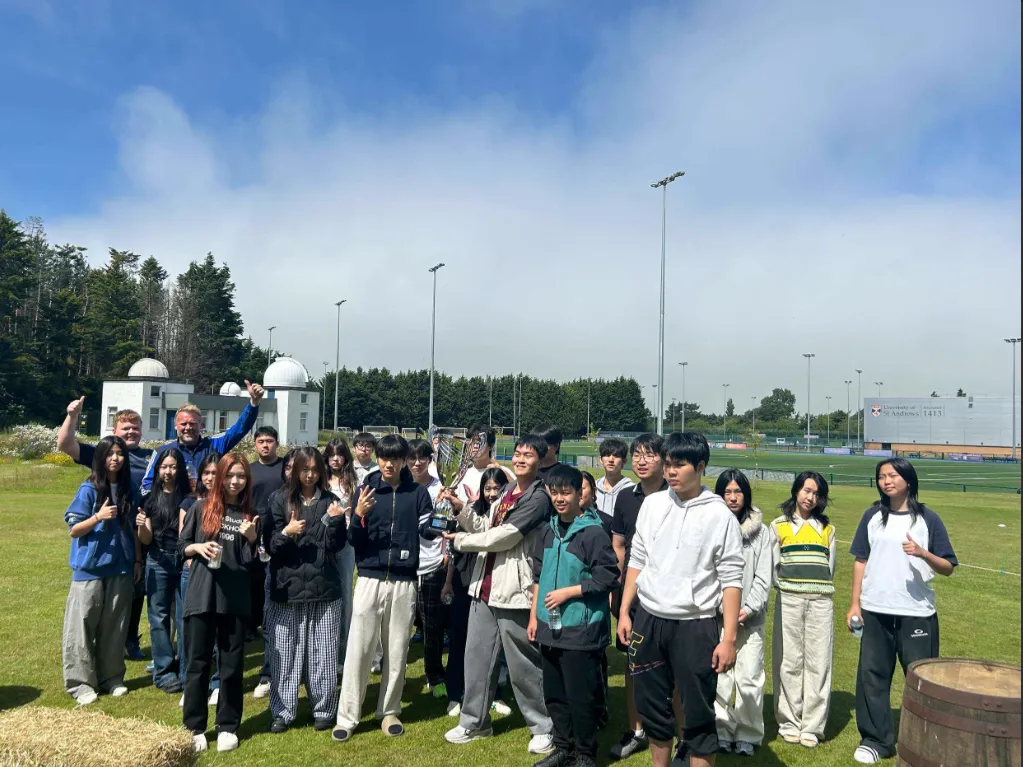
Travelling across year groups also allowed peer support to flourish naturally. Older students shared their experiences and helped younger ones adapt to the itinerary; companions reminded each other of schedules and discussed their discoveries of the day. The values Harrow holds dear – Courage, Honour, Humility and Fellowship – were not merely stated in the school motto; they were demonstrated through real choices and actions.
4. Beyond the Classroom
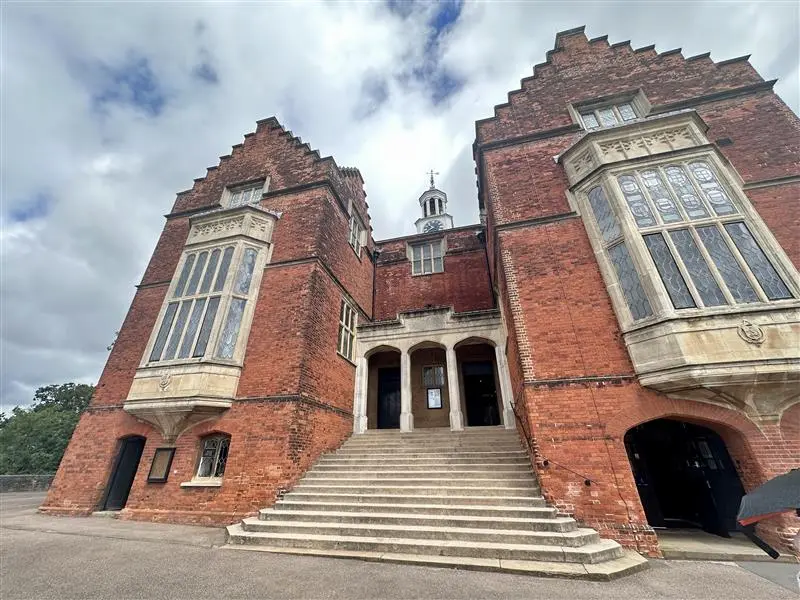
One stop on the journey was Harrow School, whose history spans more than four and a half centuries. Walking through its buildings and along its corridors, students encountered not only the school’s heritage, but also found themselves reflecting on their own connection to what it means to be a Harrovian.
Milo described the experience as “a deep sense of awe”—not prompted by the scenery alone, but by the awareness that so many had studied, thought, and moved on from this very place to the wider world. In that quiet recognition, a sense of belonging began to take root.
The West End musical offered a different kind of learning. As the lights dimmed, a room full of strangers laughed, fell silent, and were moved by the same story. For Milo, that evening brought into sharp focus the power of narrative—and its capacity to connect, to unsettle, and to affirm.
University visits help students think about the direction of their future studies; encounters with history, art, and shared experience remind them to remain curious, humble, and receptive. The depth of an education, more often than not, lies precisely in the space where these two currents meet.
5. From Faraway to Informed Choice
A single university trip will not decide a student’s future – but it can bring them closer to the questions that truly matter: What am I curious about? How do I want to learn? What kind of environment will help me grow over time?
Answers will not all appear in one journey. Yet when a student begins to ask better questions, to compare and reflect, and to form their own judgements, the exploration has already gained meaning.
As Milo wrote, some journeys are remembered not because of how many places were seen, but because at some moment the world became more concrete, and the future – for the first time – took on a shape of one’s own.

Join us to meet with academic staff, visit our outstanding facilities, interact with current pupils and individual consultation with our admissions team.